





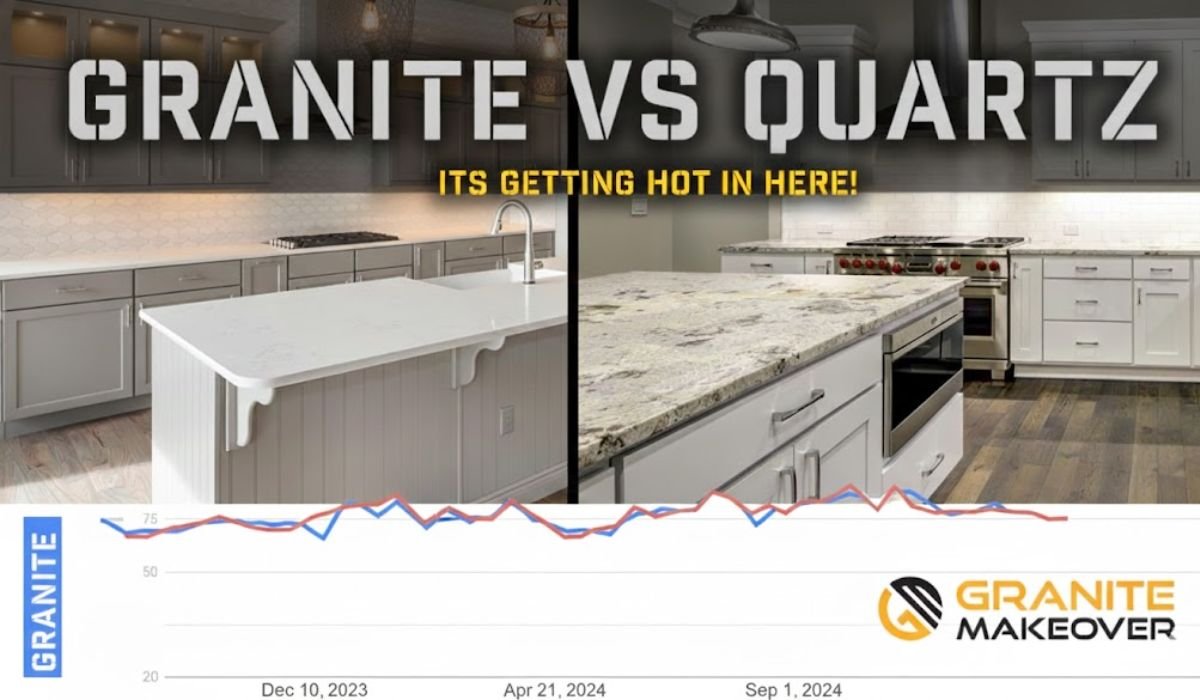
For decades, granite reigned supreme as the ultimate premium worktop material. The arrival of high-quality engineered quartz, however, has sparked one of the most common dilemmas in kitchen design: quartz or granite? Both are exceptional, durable choices, but they cater to different priorities and lifestyles. This article moves beyond superficial comparisons to provide a detailed, point-by-point analysis of these two heavyweight contenders. We’ll dissect their composition, performance, aesthetics, and long-term upkeep to equip you with the knowledge to crown the champion for your specific home and needs.
The Fundamental Difference: Engineered Consistency vs. Natural Uniqueness
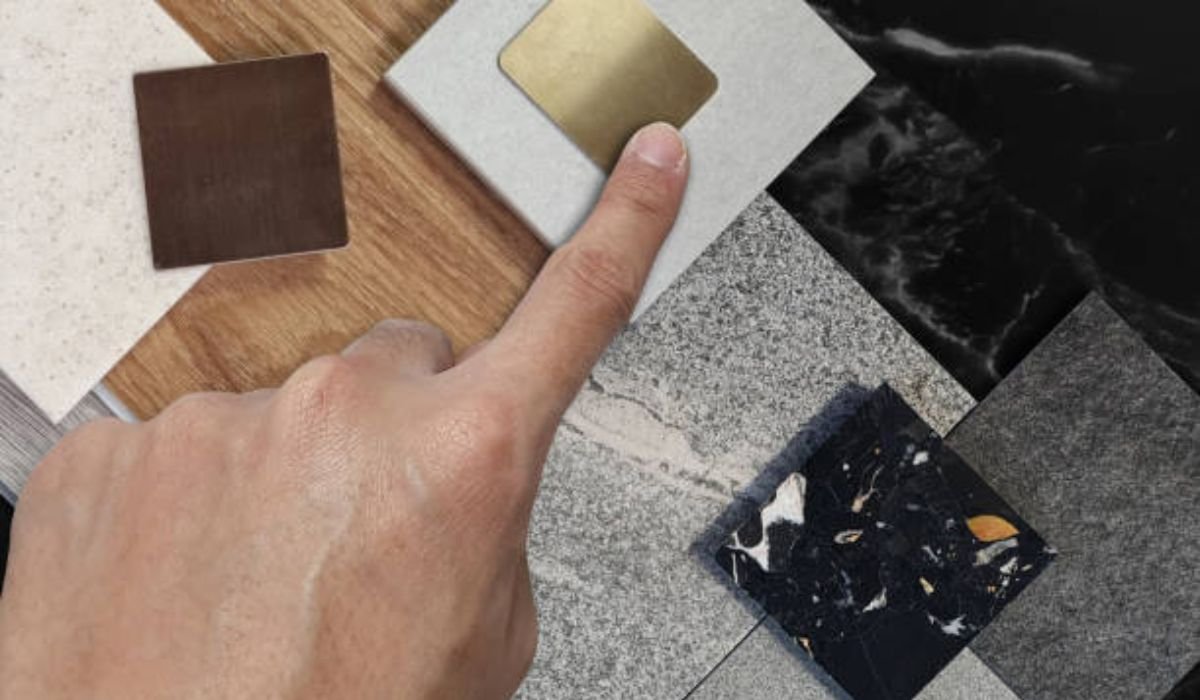
At their core, the difference is philosophical. Granite is a 100% natural igneous rock, quarried in massive blocks and sliced into slabs. Each slab is a unique piece of Earth’s history, with variations in colour, patterning, crystal size, and mineral deposits that can be dramatic and breathtaking. Quartz, as we know, is an engineered composite. While made from natural minerals, its look is meticulously controlled during manufacturing. This results in remarkable consistency; the small sample in a showroom will be a perfect match for the installed slab. For some, granite’s wild, one-of-a-kind beauty is irreplaceable. For others, quartz’s predictability and ability to deliver specific colours (like pure white or solid black) without natural variation is a major design advantage.
READ ALSO: MSI Quartz vs Varadara: Which is Best for Your Home?
Performance Face-Off: Porosity, Durability, and Daily Life
This is where quartz makes its most compelling practical argument. Due to its non-porous nature, quartz is virtually impervious to staining. Spills of oil, wine, coffee, or juice will not penetrate the surface if wiped up in a reasonable time, making it a worry-free zone for busy cooks and families. Its resin-bound structure also makes it highly resistant to scratching from knives and kitchen utensils. Granite, while immensely hard, is a porous material. It must be sealed upon installation and re-sealed periodically (typically every 1-2 years) to maintain its stain resistance. A forgotten spill on unsealed or poorly sealed granite can leave a permanent stain. In terms of heat resistance, granite has a slight edge. As a natural stone formed under immense heat, it can generally withstand a hot pan placed directly on its surface. Quartz’s resin binder can be damaged by extreme, direct heat, necessitating the use of trivets.
Maintenance and Hygiene: The Long-Term Commitment
The maintenance routine is a defining differentiator. Quartz worktops are famously low-maintenance. Their non-porous surface requires no sealing ever. Daily cleaning with mild soap and water is entirely sufficient, and the surface is inherently hygienic, resisting bacteria and mould growth. Granite worktops require a more attentive relationship. The periodic sealing is an added task and potential long-term cost. While daily cleaning is also simple, the worry about degrading the sealant can mean being more cautious with cleaning products, often requiring pH-neutral solutions. For a homeowner seeking a “fit-and-forget” surface, quartz is the clear winner. For those who don’t mind a ritual of care to showcase a natural material, granite is a worthy commitment.
Cost, Installation, and Final Verdict
In terms of cost, the lines have blurred significantly. Both materials sit in the premium tier, with price ranges that overlap considerably. Exotic, rare granites can be far more expensive than standard quartz, while premium quartz lines can rival mid-range granite. Installation is similar for both, requiring professional templating and fitting by skilled fabricators. The final choice is a personal calculus. Choose Granite if: You prize the unique, geological artistry of nature, desire supreme heat resistance, and don’t mind a periodic sealing routine. Choose Quartz if: Your top priorities are uniformity of colour, zero-maintenance stain resistance, superior hygienic properties, and a vast selection of consistent colours and patterns, including perfect imitations of natural stone.
YOU MAY ALSO LIKE: Quartz vs. Granite: A Technical Deep Dive into the Ultimate Worktop Showdown